
Updated July 11, 2026 by Dr. Allaoui
⚡ Quick Answer: To reduce water turbidity at home, start by testing your water with a turbidity meter or a simple jar test, then match the fix to the cause: a sediment pre-filter or cartridge filter for suspended solids, a whole-house filtration system for persistent cloudy water, and basic prevention (well maintenance, gutter/runoff control) to stop it recurring. Most household water turbidity should sit below 1 NTU; if yours is consistently higher, treat it before drinking.
Jump to: Measurement Methods | Turbidity Levels | Treatment Solutions
Table of Contents
⚡ Quick Answer: To reduce water turbidity at home, start by testing your water with a turbidity meter or a simple jar test, then match the fix to the cause: a sediment pre-filter or cartridge filter for suspended solids, a whole-house filtration system for persistent cloudy water, and basic prevention (well maintenance, gutter/runoff control) to stop it recurring. Most household water turbidity should sit below 1 NTU; if yours is consistently higher, treat it before drinking.
What Is Water Turbidity, in Plain Terms
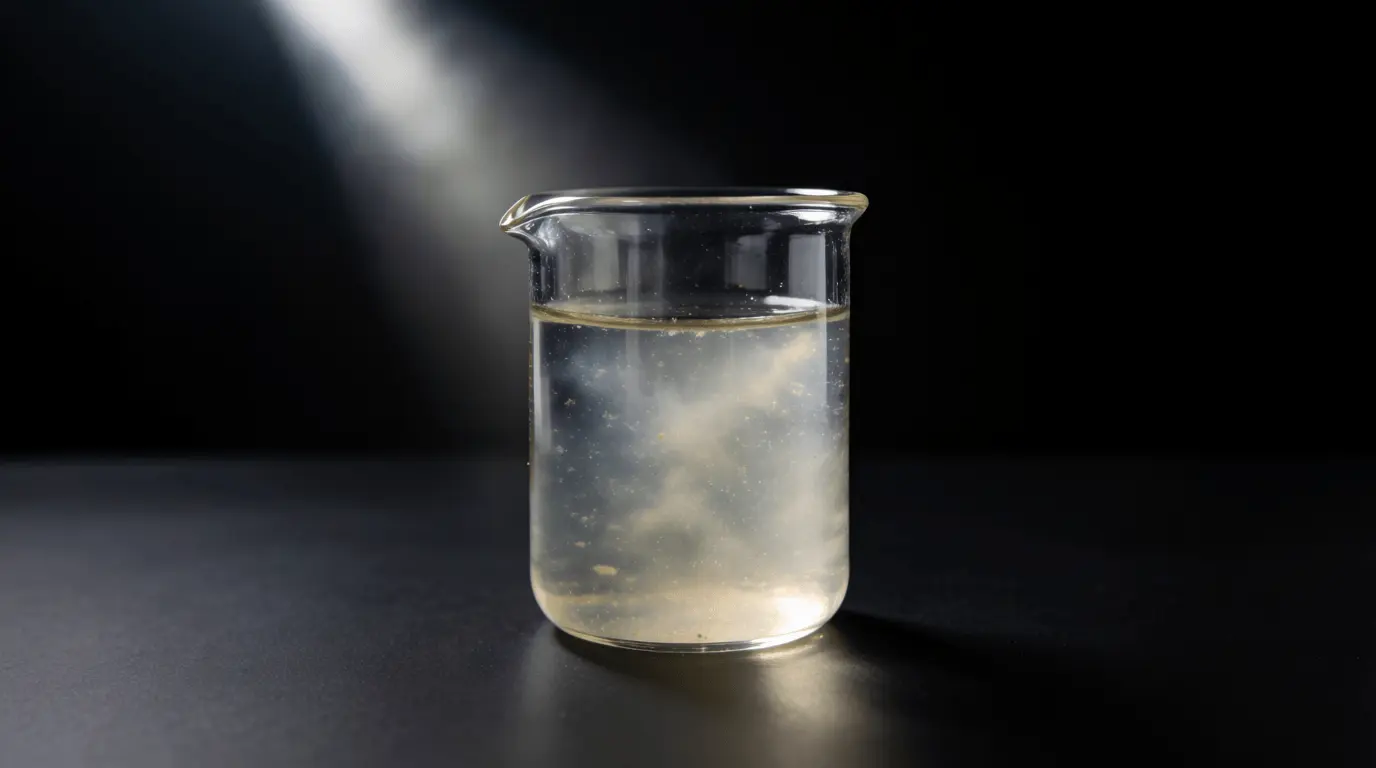
Water turbidity is simply how cloudy your water looks, caused by tiny suspended particles like silt, clay, organic debris, and microorganisms scattering light as it passes through. The cloudier the water, the higher the turbidity reading, measured in Nephelometric Turbidity Units (NTU). It’s not the same as color or taste — water can be turbid and colorless, or clear and still contain dissolved contaminants that don’t cause any cloudiness at all.
If you’ve noticed your tap running milky, hazy, or slightly brown after rain, water turbidity is almost always the cause. The good news: household turbidity is usually fixable with the right filter and a bit of routine maintenance.
Why Your Water Turbidity Spikes at Home
Before fixing anything, it helps to know where your water turbidity is coming from. The most common household causes are:
- Well water sediment — sand, silt, or clay stirred up in the aquifer, especially after heavy rain
- Aging pipes — corrosion or mineral buildup flaking into the water supply
- Municipal system disturbances — water main breaks, hydrant flushing, or pressure changes
- Filter or plumbing issues — a failing sediment filter or a recently disturbed water heater tank
- Runoff and erosion — surface water or shallow wells picking up sediment after storms
A sudden, temporary spike in water turbidity often clears on its own within a day. A turbidity level that stays elevated week after week points to a filtration or source problem that needs a fix, not just patience.
How to Test Water Turbidity at Home
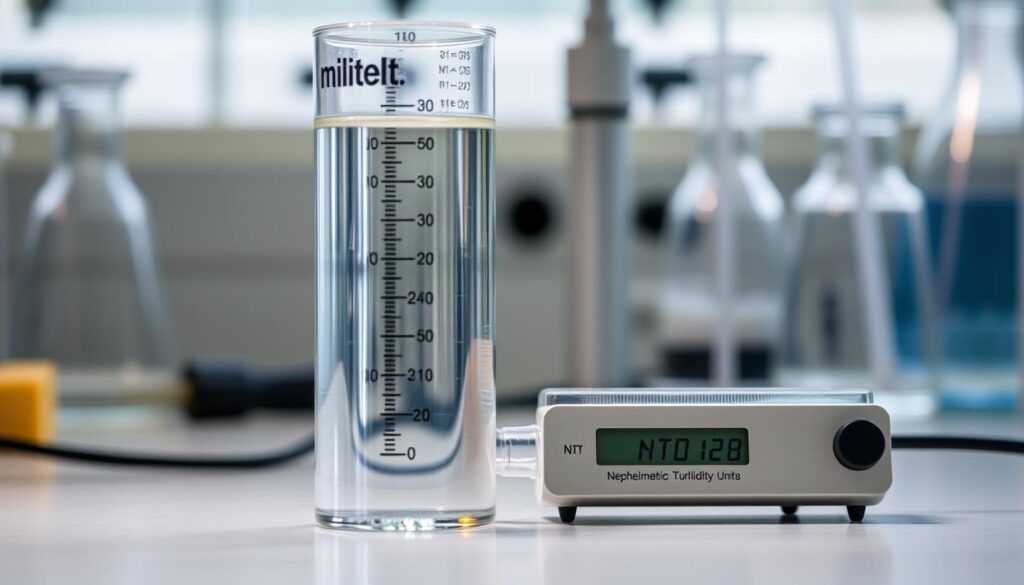
You don’t need a lab to get a rough read on water turbidity. Here are three options, from simplest to most precise:
- Visual jar test: Fill a clear glass jar with tap water and hold it against a printed page. If you can’t read the text clearly through the water, turbidity is likely well above 5 NTU.
- Home turbidity test kit: Affordable kits (often under $30) use a comparison scale or simple sensor to give you an approximate NTU reading.
- Digital turbidity meter: A handheld turbidity meter gives a precise NTU value and is worth the investment if you’re on well water or troubleshooting a recurring issue.
For anything beyond a quick check, a certified lab test is the only way to confirm both turbidity and any contaminants riding along with the suspended particles.
Acceptable Water Turbidity Levels
Here’s how household water turbidity readings typically break down, based on EPA and WHO drinking water guidance:
| Turbidity (NTU) | What It Means | Action Needed |
|---|---|---|
| Below 1 NTU | Meets EPA/WHO drinking water target | None — water is clear and safe on this measure |
| 1–5 NTU | Slightly turbid, may not be visible to the eye | Test for cause; consider a sediment pre-filter |
| 5–25 NTU | Visibly cloudy water | Filter before use; test for bacteria if on a well |
| 25+ NTU | Heavily turbid, milky or muddy | Do not drink untreated; call a water professional |
For context, public water systems using conventional or direct filtration must keep turbidity at or below 1 NTU at all times, and below 0.3 NTU in 95% of monthly samples, per current EPA regulations. Private wells aren’t legally required to meet this, which is exactly why home testing matters more if you’re not on a municipal supply.
Good to know: Turbidity itself isn’t necessarily dangerous, but suspended particles can shield bacteria and pathogens from disinfection. That’s why any water turbidity reading above 5 NTU is worth treating before drinking, even if the water still tastes normal.
How to Reduce Water Turbidity at Home: Step by Step
If you’re wondering how to reduce water turbidity at home without calling in a specialist right away, work through these steps in order:
- Confirm the reading. Test turbidity at more than one tap to rule out a single blocked fixture.
- Check your existing filter. A clogged or expired sediment filter is the single most common cause of rising household turbidity — replace it first.
- Install a sediment pre-filter. A 5-micron (or finer) cartridge filter at the point of entry catches suspended solids before they reach your taps.
- Flush the line. Run outdoor spigots for a few minutes after any known disturbance (main break, well pump work) to clear settled sediment.
- Re-test after each step. Track the NTU change so you know which fix actually worked, instead of guessing.
- Escalate to whole-house filtration if turbidity stays above 5 NTU after a fresh sediment filter — this usually means the source itself needs treatment, not just a filter swap.
Comparing Filtration Methods
| Method | Best For | Typical Cost |
|---|---|---|
| Sediment cartridge filter | Mild, occasional turbidity | $20–$60 |
| Whole-house filtration system | Persistent well water turbidity | $300–$1,200 |
| Reverse osmosis (point of use) | Drinking/cooking water clarity + contaminant removal | $150–$500 |
| Flocculation/coagulation treatment | Heavily turbid well or surface water | Varies, often professional install |
Preventing Turbidity Before It Starts

- Replace sediment filters on a schedule (every 3 months is a safe default), not just when water looks cloudy
- Keep well caps sealed and grading sloped away from the wellhead to limit surface runoff intrusion
- Clean gutters and downspouts so storm runoff doesn’t wash sediment toward a shallow well
- Have well water tested for turbidity and bacteria at least once a year, and again after any major storm
- Insulate or repair aging pipes showing signs of corrosion before they start shedding particles
When to Call a Water Treatment Professional
Handle it yourself when turbidity is mild, source is known, and a filter swap resolves it. Call a professional when:
- Turbidity stays above 5 NTU after replacing filters
- Cloudy water is paired with an odor, taste change, or discoloration
- You’re on a private well and haven’t had a full water quality test in over a year
- A whole-house treatment or coagulation system is being considered
FAQ
Is it safe to shower in turbid water?
Showering in mildly turbid water is generally fine for most people, since skin contact carries far less risk than ingestion. If turbidity is high and paired with a known contamination event, avoid it until tested.
Does boiling reduce water turbidity?
No. Boiling kills many pathogens but does nothing to remove suspended particles — you’ll need filtration to actually clear cloudy water.
How often should I test my water turbidity if I’m on a well?
At a minimum, once a year, and again after any heavy rain event, nearby construction, or noticeable change in taste or appearance.
Key Takeaways
- Water turbidity is the cloudiness caused by suspended particles, measured in NTU
- Most household water should read below 1 NTU; above 5 NTU warrants filtration before drinking
- The fastest way to reduce water turbidity at home is a fresh sediment filter, followed by a whole-house system if the problem persists
- Prevention — filter maintenance, well upkeep, and runoff control — is cheaper than repeated treatment
Conclusion
Effective water turbidity control requires integrated approaches combining prevention, treatment, and continuous turbidity measurement. Successfully managing turbidity levels protects both public health and industrial operations.
Key Success Factors:
Proactive Prevention
- Watershed protection minimizes causes of turbidity at the source
- Erosion control and natural infrastructure provide cost-effective solutions
- Regular monitoring identifies trends before problems escalate
Optimized Treatment
- Multiple barriers ensure reliable removal of suspended solids
- Proper chemical dosing and filtration maintain NTU within acceptable limits
- Automated systems respond quickly to water quality changes
Continuous Monitoring
- Real-time turbidity measurement validates treatment effectiveness
- Data integration provides complete water quality awareness
- Documentation ensures regulatory compliance
By prioritizing water turbidity monitoring and control, facilities protect public health, preserve aquatic ecosystems, and optimize industrial efficiency. Strategic investment in turbidity measurement equipment and treatment technologies delivers measurable returns through reduced health risks, lower operating costs, and consistent regulatory compliance.
Take Action Today
Start your plant-based water purification journey:
- Subscribe to our Newsletter – Get expert tips on sustainable water treatment, real-world case studies, and practical solutions to improve water quality in your home and community.