
Reading time: 8 minutes
⚡ Quick Answer: A basic urban farm setup can start on a balcony or small yard for as little as $100–$300 using containers, vertical planters, and a simple watering system. With the right layout, even 50 square feet can produce fresh vegetables and herbs year-round. Jump to: What Is an Urban Farm · Planning Your Setup · Equipment & Costs
Table of Contents
You don’t need acres of land to grow your own food. A well-planned urban farm can turn a balcony, rooftop, small backyard, or even a sunny windowsill into a productive source of fresh vegetables, herbs, and fruit.
Urban farming has grown rapidly as more city dwellers look to cut grocery costs, reduce their environmental footprint, and reconnect with where their food comes from. The good news: an effective urban farm setup doesn’t require special skills or a large budget — just the right planning.
This guide walks you through everything you need to plan, build, and maintain your own urban farm setup, whether you have 20 square feet or 200.
What Is an Urban Farm Setup?
An urban farm setup refers to any small-scale food-growing system designed for city environments — balconies, rooftops, patios, small yards, or indoor spaces. Unlike traditional farming, urban setups prioritize vertical space, container gardening, and efficient use of limited square footage.
Urban farm setups range from a few pots of herbs on a windowsill to fully integrated systems with raised beds, vertical towers, and irrigation. The scale depends entirely on your available space, budget, and goals.
Common Types of Urban Farm Setups
| Setup Type | Best For | Space Needed |
|---|---|---|
| Container garden | Balconies, patios | 10–50 sq ft |
| Vertical planters | Small balconies, walls | 5–20 sq ft |
| Raised beds | Backyards, community plots | 50–200 sq ft |
| Rooftop farm | Apartment buildings, flat roofs | 100–500+ sq ft |
| Indoor hydroponic | No outdoor space | 2–10 sq ft |
Planning Your Urban Farm Setup
Before buying anything, spend time assessing your space. This step determines whether your farm setup thrives or struggles.
1. Assess Your Sunlight
Most vegetables need 6–8 hours of direct sunlight daily. Track your space over one full day:
- Full sun (6+ hours): Tomatoes, peppers, cucumbers, squash
- Partial sun (3–6 hours): Lettuce, spinach, herbs, root vegetables
- Low light (under 3 hours): Microgreens, mushrooms, some herbs (with grow lights)
2. Check Weight Limits (Balconies & Rooftops)
Soil-filled containers are heavy. A standard 15-gallon pot with wet soil can weigh 80–100 lbs. Before finalizing your urban farm setup, confirm your balcony or roof’s weight capacity — this is especially important for rooftop setups.
3. Consider Water Access
A nearby water source saves enormous time. If you don’t have an outdoor spigot, plan for:
- A collapsible water container you refill indoors
- A simple drip irrigation system on a timer
- Self-watering containers (reduce watering frequency by 50%)
4. Define Your Goals
Are you growing for fresh salads, cooking herbs, or bulk preserving? Your goals shape your urban farm setup:
- Herb-focused: Small containers, windowsill or balcony rail planters
- Salad greens: Shallow containers, vertical towers, quick harvest cycles
- Family food supply: Raised beds, larger containers, succession planting
Urban Farm Setup: Equipment & Costs
One of the biggest advantages of an urban farm setup is that it scales to almost any budget.
Starter Urban Farm Setup ($100–$300)
| Item | Purpose | Cost |
|---|---|---|
| 5–6 fabric grow bags (5 gal) | Vegetables and herbs | $25–40 |
| Potting soil (organic mix) | Growing medium | $30–50 |
| Seeds/starter plants | Initial crops | $20–40 |
| Watering can or hose attachment | Irrigation | $15–25 |
| Basic fertilizer | Nutrients | $15–20 |
Intermediate Urban Farm Setup ($300–$800)
Adds vertical growing towers, self-watering containers, a small drip irrigation kit, and raised bed materials — ideal for larger balconies or small yards.
Advanced Urban Farm Setup ($800–$2,000+)
Includes rooftop-rated raised beds, automated drip irrigation with timers, trellising systems, compost bins, and season-extending covers or a small greenhouse structure.
🛒 Recommended Gear for a Starter Urban Farm Setup:
Best Value: 5-Pack Fabric Grow Bags (10 gallon) — breathable, foldable for storage
Best for Small Spaces: 3-Tier Vertical Planter Stand — maximizes limited square footage
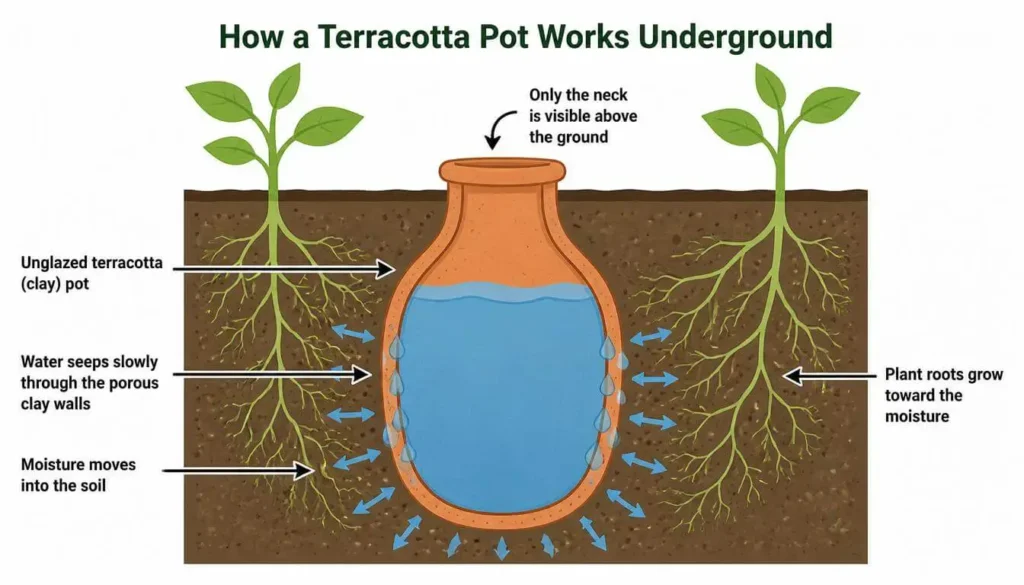
Best for Consistency: Roots Self-Watering Terracotta Pot — reduces watering to 1–2x per week. Reusable with no energy needed
💰 Amazon affiliate links — we earn a small commission at no cost to you
Urban Farm Setup Layout Ideas by Space
Balcony Urban Farm (10–50 sq ft)
- Railing planters along the perimeter for herbs and trailing plants
- Vertical shelving unit against the wall for pots
- Hanging planters from the ceiling for strawberries or trailing tomatoes
- Floor space reserved for 2–3 larger containers (tomatoes, peppers)
Small Backyard Urban Farm (50–200 sq ft)
- 2–4 raised beds (4×4 ft each) laid out in a grid with walking paths
- Trellis along one fence line for climbing plants (beans, cucumbers)
- Compost bin tucked in a corner
- Rain barrel connected to a downspout for irrigation
Rooftop Urban Farm (100+ sq ft)
- Lightweight raised beds designed for roof weight limits
- Wind-resistant plant choices near the edges (herbs, low crops)
- Drip irrigation with a timer (roofs dry out faster than ground level)
- Taller crops placed centrally, away from wind exposure
Indoor Urban Farm (No Outdoor Space)
- Grow lights positioned 6–12 inches above plants
- Compact hydroponic tower or countertop unit for greens and herbs
- South-facing windowsill for supplemental natural light
- Small fan for air circulation (prevents mold and strengthens stems)
Maintaining Your Urban Farm Setup
Weekly Tasks
- Check soil moisture (finger test — water if dry 1–2 inches down)
- Inspect for pests (aphids, mites) on leaf undersides
- Harvest ready produce to encourage continued growth
- Rotate containers for even sunlight exposure
Monthly Tasks
- Add compost or organic fertilizer
- Prune leggy or overgrown plants
- Check container drainage holes for clogs
- Succession-plant fast growers like lettuce and radishes
Seasonal Tasks
- Swap cool-season crops (spinach, peas) for warm-season crops (tomatoes, peppers) as weather shifts
- Top off or refresh potting soil each spring
- Add row covers or bring containers indoors before frost
Common Urban Farm Setup Mistakes to Avoid
- Overcrowding containers: Plants need room for root growth — follow spacing guidelines even in small containers
- Ignoring drainage: Without drainage holes, roots rot quickly. Every container needs proper drainage
- Underestimating water needs: Container plants dry out faster than in-ground gardens, especially in summer heat
- Wrong plant choices for light levels: Matching crops to your actual sunlight is the #1 factor in success
- Skipping soil quality: Garden soil compacts in containers — always use a proper potting mix
Frequently Asked Questions About Urban Farm Setups
How much space do I need for an urban farm setup?
You can start with as little as 5–10 square feet on a windowsill or balcony. Larger setups (50+ sq ft) allow for more variety and higher yields, but even small spaces can produce meaningful amounts of herbs and greens.
How much does a basic urban farm setup cost?
A starter setup typically costs $100–$300, covering containers, soil, seeds, and basic tools. Costs scale up with irrigation systems, raised beds, or rooftop-specific equipment.
Can I set up an urban farm without a yard?
Yes. Balconies, rooftops, windowsills, and even indoor spaces with grow lights all support productive urban farm setups. Container gardening and vertical planters are designed specifically for these constraints.
What grows best in a small urban farm?
Herbs, leafy greens, cherry tomatoes, peppers, and strawberries perform well in containers and limited space. These crops have shallow root systems and produce continuously throughout the season.
Start Your Urban Farm Setup Today
Building a successful urban farm setup doesn’t require a large budget or acres of land — it requires matching the right layout, containers, and crops to the space you already have. Whether that’s a sunny windowsill, a small balcony, or a modest backyard, the fundamentals stay the same: good light, proper drainage, consistent water, and crops suited to your conditions.
Start small. A few containers of herbs and salad greens is enough to prove the concept before expanding into raised beds or vertical systems. Once you see your first harvest, scaling your farm setup becomes a natural next step.
Pick one container, one crop, and start this week 🌱
For more sustainable growing guides, explore our articles on composting, rainwater harvesting, and vertical farming.
Related Articles:
- Advancing Energy Efficiency in Vertical Farming: Sustainable Solutions
- How to Start Vertical Farming in 2025: Complete Setup Guide & ROI Calculator
- 10 Best Plants That Thrive in Vertical Farming Systems
- Ultimate Vertical Farming Guide 2025: Step-by-Step Guide for Beginners
- Ultimate Guide to Building a Vertical Farm: From Setup to Sustainability